Classroom management functions as the foundational element for successful teaching as well as structured learning environments. Educational institutions employ various approaches that teachers utilize for building productive classrooms while reducing disruptions to generate maximum student achievement. A classroom under good management supports teachers as well as students to reach their maximum academic and social levels of achievement.
Classroom management emerges as fundamental because it establishes a learning-friendly environment. Through successful disruption reduction students maintain better study focus and teaching delivery remains uninterrupted. Effective teaching requires three essential components: clear rules together with structured routines and consistent enforcement of expectations which produce essential stability for students to learn. The classroom arrangement creates safe boundaries for learners who subsequently become more interactive in their academic activities.
Moreover, classroom management fosters mutual respect between teachers and students. Building trust and student-teacher relationships emerges from clear school expectations along with fair treatment of students. Teachers use effective classroom management systems to build positive student behavior by establishing respectful student-teacher environments which increase student willingness to participate. The relationship built through student-teacher respect establishes essential student connection with community people while building feelings of belonging that foster improved academic achievement.
Excellently managed classrooms promote development of vital life abilities through discipline training alongside fostering responsibility and time management education. Establishing routines and following rules enables students to build action responsibility. Learning these skills at school directly benefits students both educationally and later in life for their personal and professional activities. A classroom which maintains effective management provides students with the opportunity to grow their teamwork abilities which creates their capacity to collaborate successfully.
A properly managed classroom environment serves two functions: it decreases teacher stress while preventing burnout. Within a structured learning environment teachers preserve their ability to provide quality instruction by limiting disruptions from behavioral problems. Such alignment allows instructors to maintain their teaching profession while exceeding academic expectations.
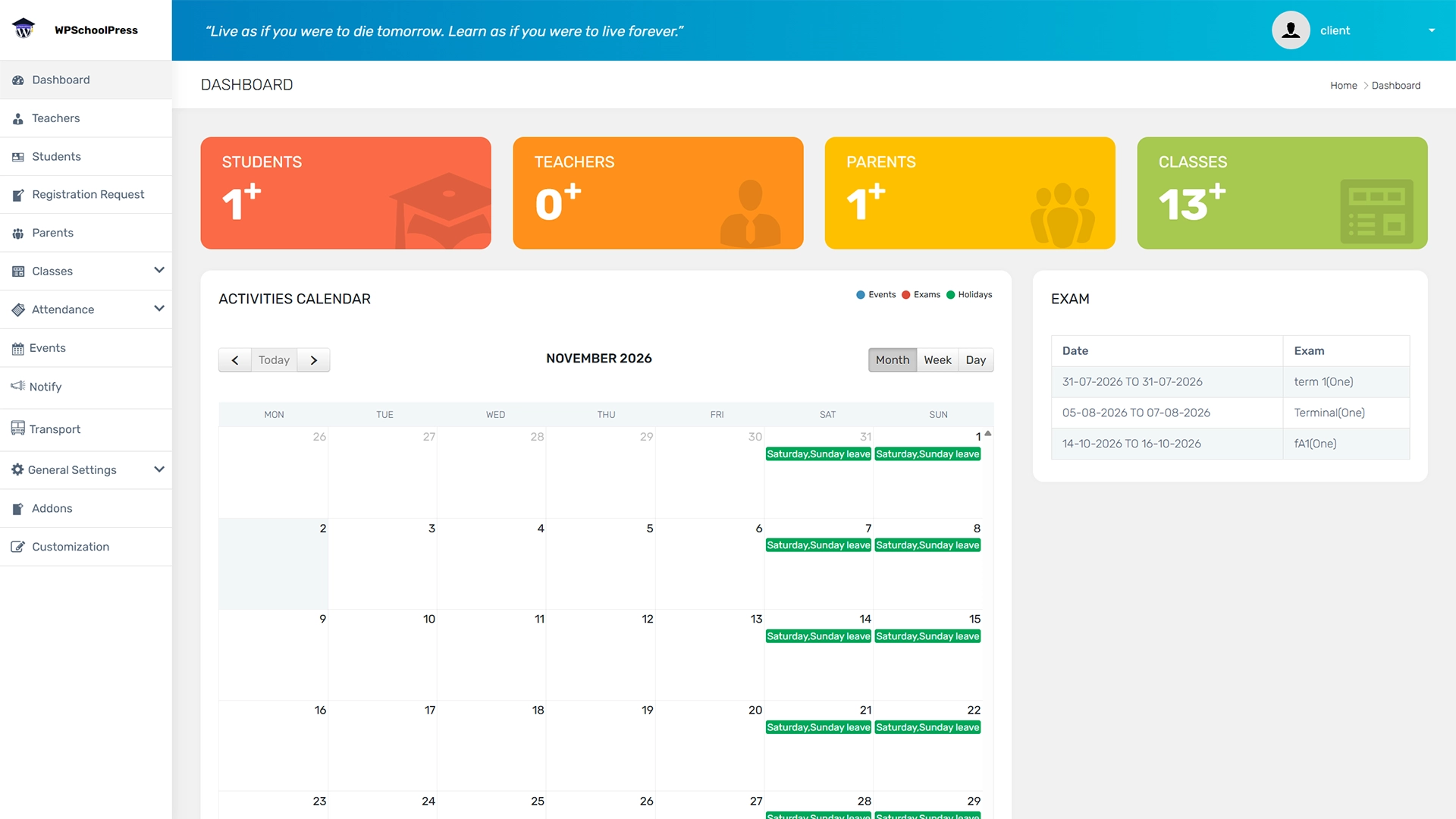
Classroom management System assist teachers in organizing and controlling various aspects of their classrooms. These tools simplify administrative tasks, enhance communication, and create a conducive learning environment.
One of the primary features of the classroom management System is automated attendance tracking and grading. This eliminates the need for manual record-keeping, allowing teachers to focus more on teaching. With just a few clicks, teachers can access attendance records and grades, providing valuable insights into student performance.
Classroom management System enables real-time monitoring of students’ activities on their devices. This feature allows teachers to identify and address potential distractions, ensuring a more focused learning environment. Teachers can intervene promptly if a student deviates from the lesson, fostering better classroom discipline.
These tools facilitate collaborative learning by promoting communication and interaction among students. Teachers can create discussion forums, group activities, and shared documents, encouraging students to collaborate and learn from each other.
This fosters a sense of community within the classroom.
Classroom management System enhances communication between teachers, students, and even parents. The platform can instantly disseminate announcements, feedback, and important information. This real-time communication keeps everyone informed and engaged in the educational process.
Teachers can easily share resources such as lecture notes, assignments, and supplementary materials through the System. This centralized platform ensures that students have access to the necessary materials, promoting a more organized and efficient learning experience.
Effective time management is crucial in a classroom setting. Classroom management System for teachers, set deadlines, and allocate time efficiently. By automating routine tasks, teachers can dedicate more time to personalized instruction and addressing individual student needs.
Many classroom management tools include features for tracking student behavior. Teachers can record positive and negative behaviors, allowing for a comprehensive understanding of each student’s conduct. This data can be valuable in implementing targeted interventions to address specific behavioral issues.
Classroom management System often includes features that allow teachers to create personalized learning paths for students. This adaptability caters to diverse learning styles and paces, ensuring that each student receives the necessary support and challenges based on their needs.
These tools offer robust assessment capabilities and analytics. Teachers can create quizzes, surveys, and assessments to gauge student understanding. The analytics provide insights into areas where students may struggle, allowing for targeted interventions and tailored instructional approaches.
The Classroom management System facilitates better communication with parents. Parents can access their child’s performance, attendance records, and teacher feedback in real-time. This increased transparency fosters a collaborative relationship between teachers and parents, creating a holistic student support system.
To keep students motivated, some classroom management Systems incorporate gamification elements. Teachers can implement reward systems, badges, and achievements to recognize and encourage positive behavior and academic accomplishments, turning learning into a more engaging and enjoyable experience.
With features designed for inclusivity, the classroom management System supports accessibility requirements. This ensures that all students, including those with special needs, can participate fully in the learning process, promoting an inclusive educational environment.
Many classroom management tools seamlessly integrate with popular Learning Management Systems, creating a unified educational ecosystem. This integration streamlines data sharing, grading, and content distribution, reducing the administrative burden on teachers and enhancing overall efficiency.
Some classroom management System platforms offer professional development resources for teachers. This includes training modules, webinars, and forums where educators can exchange best practices, ensuring they stay updated on the latest educational trends and technology.
Recognizing the importance of data security, the classroom management System prioritizes features that protect student information. Robust security measures, data encryption, and privacy controls ensure a safe and secure digital learning environment for students and teachers.
Classroom management solution often include features for collecting feedback from students. This two-way communication allows teachers to assess the effectiveness of their teaching methods and make adjustments accordingly. Surveys can also be conducted to understand student preferences and optimize the learning experience.
Not all students may have constant internet access, so some classroom management Systems include offline mode. This feature allows students to access essential resources and assignments even offline, ensuring that learning can continue seamlessly despite potential connectivity challenges.
Classroom management Systems often provide detailed data analytics tools for teachers to assess their performance. By analyzing teaching methods, engagement levels, and student outcomes, educators can identify areas for improvement and refine their instructional strategies for more effective teaching.
Many classroom management platforms come equipped with digital whiteboards and annotation tools. These features enable teachers to illustrate concepts, annotate presentations, and actively engage students in virtual or hybrid learning environments, fostering a more interactive and dynamic classroom experience.
Beyond basic attendance tracking, some classroom management Systems include automated attendance-taking features. Additionally, teachers can set up alerts to notify them of irregular attendance patterns or potential issues, allowing for early intervention and support for students facing challenges.
Automated attendance tracking, grading, and other administrative tasks, saving valuable time for teachers.
Equips teachers with digital whiteboard and annotation tools for dynamic and interactive teaching in virtual or hybrid learning settings.
Facilitating instant communication between teachers, students, and parents fosters a collaborative and informed educational community.
Promotes group activities, discussions, and resource sharing, encouraging student collaborative learning.
Allows teachers to create personalized learning paths, catering to individual learning styles and needs.
Provides solid assessment tools and analytics, offering insights into student performance for targeted interventions.
Enhances parental engagement by providing real-time access to student progress, attendance records, and teacher feedback.
Integrates gamification elements to motivate students through rewards, badges, and achievements.
Seamlessly integrates with Learning Management Systems, creating a cohesive educational ecosystem for streamlined data sharing and management.
Prioritizes data security with features such as encryption and privacy controls, ensuring a safe digital learning environment.
Supports offline access, allowing students to engage with essential resources without constant internet connectivity.
Provides data analytics tools for teachers to assess and refine their teaching methods, fostering continuous improvement in instructional strategies.
Automates attendance processes and sets up alerts for irregularities, facilitating early intervention and support for students facing challenges.
Classroom management system is a boon for teachers striving to create a conducive and effective learning environment. By automating administrative tasks, fostering collaboration, and enhancing communication, these tools empower teachers to focus on what they do best – teaching. Integrating class room management Systems into educational practices becomes essential for ensuring a seamless and enriched learning experience as technology evolves. Adopting these digital tools benefits teachers and contributes to advancing education in the 21st century.

Hi, I’m Alex Smith, a Subject Matter Expert at WPSchoolPress. For over six years, I’ve helped schools digitize operations like attendance, fee management, and academic workflows. I’m passionate about using processes automation and smart technology to make school management faster, more efficient, and student-focused. Through my blog, I share practical tips and automation strategies to help schools simplify and streamline their workflows.
Explore all the features of WPSchoolPress like attendance management, student grading system, etc by trying it’s live demo

April 2, 2026
March 24, 2026

October 13, 2025
September 22, 2025
September 13, 2025
Stay updated with our latest news & updates. We promise not to spam!
Share a few details about your school and our team will set up your WPSchoolPress website for you.